
All articles
Morphometric indicators of aorta wall layes under radiation
Morphological and cultural properties of the pigment-forming actinomycete strain amycolatopsis sp. 51
В процессе исследований по выявлению микробного разнообразия почв загрязненных территорий, расположенных в зонах разной степени удаленности от станции аэрации Бозсу в г.Ташкенте выделен штамм № 51, образующий синий пигмент, который окрашивает питательную среду на темно синий цвет.
Molecular mechanisms of biomembranes destruction under the action of reactive oxygen species at hypoxia
Subjects of research: White not purebred rats: offspring, transferred chronic intrauterine hypoxia; newborn children with a cerebral ischemia of a various degree and their mothers.
Purpose of work: studying molecular mechanisms of biomembranes destruction under the action of reactive oxygen species (ROS) at hypoxia and effects of water - and fat-soluble antioxidants in ultra low doses on ROS generation in the brain tissues, mitochondrial and microsomal fractions of liver at postnatal period after intrauterine hypoxia.
Methods of research: thin layer chromatography, biochemical, immuno-hystochcmical, clinical, ultrasound and cerebral blood flow evaluation, statistical.
The results obtained and their novelty: it is established the interrelation of a brain and liver, its contribution to aggravation of consequences of a cerebral ischemia at last terms after intrauterine hypoxia. It is established positive effect of phenazan in ultra low doses on the ROS overproduction and phospholipids composition misbalancc in the mitochondrial fraction of the liver and on the liver cells apoptosis too at last terms after intrauterine hypoxia. It is shown modulate effect of tocopherol on the ROS scavenger enzymes activity at early period after intrauterine hypoxia in liver microsomal fraction. It is established strong positive effect of synthetic water-soluble antioxidant phenazan on the ROS scavenger enzymes activity in the brain tissue, which cause the phospholipids composition normalization and provide optimal conditions to the brain development.
Practical value: The modified scale of a sub-optimality of the prenatal risk factors of cerebral ischemia in newborn was created, application of ultra low doses of antioxidants is proved at experimental search.
Degree of embed and economic affectivity: the received results arc introduced as methodical recommendations and information letter in The Republican Specialized Scientific - Practical Medical Centre of Obstetrics and Gynecology, department of neonatology of the Tashkent Post graduated Medical Institute, department of biochemistry of Tashkent Pediatrician Medical Institute.
Field of application: biochemistry, pediatrics.

Molecular identification and characterization of pathogens genus fusarium affecting cotton in Uzbekistan
Topicality and relevance of the theme of the dissertation. Today, cotton industry plays an important role in the economy of many developed countries. One of the main enemies of cotton arc harmful fungi. According to the information of Cotton Foundation, “cotton diseases caused by pathogens are affecting 12% of the crop.” In the USA alone the annual loss can reach 11.7%, in Brazil and African countries -50%, and in India - 20%. 1
The fungi of Fusarium species are widely spread in the nature, which make the biggest and different biologic group of such fungi. Most of the fungi of the following genus arc phytotrophs which can affect more than 120 species of plants and cause significant economic damage to agriculture in many countries, including Uzbekistan. Pathogenic Fusarium species are grouped into specialized forms formae specialis (f. sp.), based on their ability to cause damage to a particular plant. Currently, there arc more than 80 types of specialized forms.
Before, Verticilium mushroom species was considered to be the major causative agent of the cotton disease, in view of this all selections of cotton have been oriented towards the creation of varieties resistant to Verticilium. But in recent years, due to the impact of different biotic factors (climate change regime, violation of the water regime, etc.), there have been changes in the pathogenic background of our country. Therefore, the issue of identifying the special forms of pathogenic Fusarium species in our country is still very critical.
Mostly, the growth and spread of Fusarium wilt is reported not only on fine-fibre (Gossypium barbadense), but also on the average-fibre cotton varieties. The new unknown kinds of pathogens like Fusarium solani were found on the cotton plant in Bukhara region, which can cause root decay.
As was mentioned above, the actual problem of cotton is not only creating wilt resistant varieties of cotton, but, at the same time, arc also identifying plant pathogenic background of our country, revealing dangerous isolates and assessing their pathogenicity exactly, making pathogenic maps and working out recommendations.
This dissertation research to some extent serves to carry out the tasks provided in the Resolution of the Cabinet of Ministers of the Republic of Uzbekistan No 148 “On measures of improving the structure and increasing the efficiency of plant protection service” of March 29, 2004, as well as in other legal documents adopted in this area.
The aims of the research are comprehensive molecular genetic identification of the genome of Fusarium pathogens and evaluation of the pathogcnecity of frequently encountered races and species in relation to the local varieties of cotton.
Scientific novelty of the research is as follows:
For the first time the analysis of the genome of Fusarium pathogens was done, and re-sequencing of important single-copy genes of pathogens (TEF-la, ВТ, rDNA, NIR, PHO) was carried out. Based on the nucleotide sequence of a beta tubulin gene (ВТ), SNP universal primers were designed that arc capable of identifying the races 2, 3, 8, and group A and В forms of the pathogens of Fusarium oxysporum f.sp vasinfectum.
Primer pairs with the ability to identify 3 and 8 race species Fusarium oxysporum f.sp. vasinfectum were developed on the basis of the method of allelespecific PCR (ASPCR).
In Uzbekistan 6 species of genus Fusarium (Fusarium solani, Fusarium equiseti, Fusarium sporotrichioides, Fusarium fujikuroi, Fusarium proliferatum, Fusarium oxysporum f.sp vasinfectum) were identified molecular taxonomically.
The races 3, 4 and 6 of Fusarium oxysporum f.sp vasinfectum were determined common in Uzbekistan.
The virulence degree of the pathogens of Fusarium species in relation to the widely cultivated varieties of cotton was shown.
For the first time the detailed pathogenicity and the most dangerous pathogens of cotton as follows were identified through molecular genetic methods: 3 race Fusarium oxysporum f.sp vasinfectum and new pathogen species for Uzbekistan Fusarium solani.
Genetic population of “Mebane Bl” x “11970” was created segregating for resistance to Fusarium wilt in the ratio of 3:1, and 237 polymorphic locuses were found.
Potential genes resistant to cotton wilt were identified.
Genetic mapping was conducted, and we identified two locuses BNL1145_259 and BNL3442_112 associated with the resistance to wilt. Using in silico PCR we identified the candidate genes located near these markers through bioinformatical methods.
Pathogenic maps were designed with the application of labels on the distribution of species in geographic coordinates.
CONCLUSION
As a result of the researches carried out on the theme of the doctoral dissertation “Molecular identification and characterization of pathogens genus Fusarium affecting cotton in Uzbekistan”, the following conclusions were presented:
1. The identification of species of pathogens was carried out. In the phytopathogcnic background of Uzbekistan, 6 species were revealed {Fusarium solani, Fusarium oxysporum f.sp vasinfectum, Fusarium equisity, Fusarium proliferatum, Fusarium fujikuroi and Fusarium sporotrichioides).
2. For the first time, using the method of sequencing by single copy genes FOV races 3, 4 and 6 have been identified, which are common in Uzbekistan,.
3. Virulent isolates were revealed. It was found that the most pathogenic fungi arc F. oxysporum f. sp. vasinfectum race 3 (isolate 316) and F. solani (isolates 503, 519 and 520, in particular).
4. Nucleotide sequences were identified on the basis of four single-copy genes. On the basis of their nucleotide sequences specific primer types and races were designed using SNP and ASPCR methods.
5. On the basis of cotton cross-breeding combinations wilt resistant populations of “Mebane Bl” x “11970” were created.
6. The locuses determining a number of cotton signs (first branch height, plant height, number of sympodium, branch length) were identified.
7. QTL-analysis was conducted to determine the degree of coupling of the mapped markers with cotton resistant to wilt. Three linkage groups containing the locuses resistant to Fusarium oxysporum f.sp vasinfectum were identified.
8. Based on the obtained genetic maps and QTL-analysis the markers were identified that can be potentially used in marker-associated cotton breeding, as well as for the isolation and detailed study of candidate genes.
9. in silico analysis was carried out. 11 genes of Fusarium and 4 genes of Gossypium were determined, which arc responsible for the synthesis of secondary metabolites and mycotoxins, and cotton resistance to external stimuli (contamination with pathogens).

Molecular genetic characteristics of rotavirus and their clinical and epidemiological significance in the diarrheal diseases in Uzbekistan
The urgency and relevance of the theme of dissertation. Viral diseases of the gastrointestinal tract, particularly of rotavirus diarrhea today remains a medical and social problem in the world. Worldwide incidence of rotavirus diarrhoea persists at high levels. According to the world health organization, rotavirus diarrhea occurs mainly in early childhood and occurs with severe hypovolemia, which can lead to severe complications and death. Of all registered in the etiology of acute intestinal infections rotaviral diarrhea account for 30-50%.
The aim of the research work
The aim of the research work to evaluate the clinical and epidemiological significance of rotavirus infection and to study the molecular genetic characteristics of rotaviruses in Uzbekistan.
Scientific novelty of a research:
- for the first time on the territory of Uzbekistan studied the characteristics and nature of the clinical course of rotavirus infection;
- for the first time was determined the correlation of bacterial contamination of surface waters and tap water with the level of incidence of ОС as a whole and RVI;
- for the first time studied the molecular genetic analysis and typing of genotypes of rotaviruses circulating on the territory of the republic.
- for the first time was determined the sequence of nucleotides VP4 and VP7 of rotavirus proteins by the sequencing method.
- It was determine the nature of the clinical course of rotavirus infection, depending on the genotypes of rotaviruses;
- for the first time assessed the economic effectiveness of rotavirus vaccination.

Molecular characterization and association mapping of agronomic traits in g. barbadense varieties from cotton Germplasm collection of Uzbekistan
Appropriateness and relevance of the dissertation's subject. "According to UN projections, by 2050, the production of food resources should be doubled, which would feed about 9.3 billion people" 1 With the deterioration of the global climate and land degradation is a falling agricultural productivity. To avoid a global environmental catastrophe a radical change in the structure of production and consumption of a number of key natural and agricultural resources, including cotton is needd.
Cotton (Gossypium L.) is one of the most important crops. Experts estimate that by 2030 global demand for cotton products will more than double, while the annual increase in genetic yield of raw cotton, is only 7,1-8,7 kg / ha. At the same time, competition in the world market leads to increased requirements for the quality of cotton fiber.
Most modern cultivated varieties of cotton have a common genetic structure that is not able to fully meet modem requirements. Work on improving the quality of fiber - a very complex process due to the narrow genetic base of modem cultivars of cotton and negative genetic correlation between the quality and yield of cotton fiber. This instruct you to explore the genetic resources of cotton, for use in the selection process of its genetic diversity.
To ensure the high competitiveness of cotton production in Uzbekistan use modem approaches to improving productivity and quality of cotton fiber.
Much of the molecular-genomic research and MAS focused on members of the species G. hirsutum. Another species, unfortunately, neglected, at the same time they have a wealth of genetic potentia For example, it is necessary to focus more attention on the genome of long staple cotton {G.barbadense), a fiber which far exceeds the quality indicators of medium staple cotton.
This dissertation research is to a certain extent to the task of implementation of the Presidential Decree of October 20, 2008 No. PD-4041 "On measures to optimize the acreage and increased production of food crops."
The purpose of research is to study the molecular genetic diversity, population structure and identification of genetic loci associated with valuable traits in cultivated representatives oflong staple cotton (G. barbadense) from the world collection of germplasm of cotton in Uzbekistan.
Scientific novelty of the research is as follows:
assessment of the diversity of a large sample of 288 G.barbadense a ccessions from the cotton germplasm collection of Uzbekistan in two independent cco-geographical conditions (Uzbekistan and the United States) on a range of valuable economic traits;
ecotypes identified with the greatest stability on interesting features in the various cco-gcographical conditions of growth, as well as combining the best features of several indicators of fiber quality and valuable morphological and biological parameters in Uzbekistan, and the United States.
studied the molecular-genetic diversity of G. barbadense accessions using SSR markers and identified informative microsatellite marker loci to analyze the genome of cultured representatives of the G. barbadense-,
revealed the amount of variability and distribution of allele frequencies of SSR marker loci in cultivated G. barbadense germplasm.
studied the genetic diversity at the level of DNA marker loci;
identified the genetic distance, genetic variation and phylogenetic relationships of cultivated accessions of the collection
determined the genetic structure of a population cultivated of G. barbadense verieties;
investigated and determined the genetic structure and genetic differentiation of populations of worldwide G. barbadense L. germplasm collection and the most genetically diverse ecotypes identified.
studied and defined and intrapopulation intcrpopulation genetic differentiation;
assessment of linkage disequilibrium and its decay in the genome of the cultivated G. barbadense species was done;
an associative mapping of valuable traits using germplasm resources of cultivated G. barbadense and found a trait-associated markers have retained a strong association with the fiber traits as in Uzbekistan, and the United States;
verified an integrated genetic map of tctraploid cotton, defined the distance between the new and already well-known trait-associated markers, determined more precisely the location of some QTLsfor agronomic traits on chromosomes;
first tested method «in silica chromosome walking» using complex computer analysis, which revealed a sequences near the SSR marker loci, homologous genes causes the manifestation of some marker-associated traits.
CONCLUSIONS
1. Evaluated of diversity of 288 G.barbadense accessions from the cotton germplasm collection of Uzbekistan in two independent cco-gcographical conditions on a range of valuable economic traits. Determined ecotypes, which have the highest stability on interesting traits in the various eco-gcographical conditions of growth, as well as combining the best performance of several fiber trait and valuable morphological and biological parameters in Uzbekistan, as well as in the USA environments, which arc the first to engage in breeding.
2. Studied molecular-genetic diversity of G. barbadense genome using SSR markers. Revealed 108 polymorphic SSR markers amplified 301 marker locus. Number of loci ranged from 2 to 5 with an average value of 3.5 for one locus SSR markers. In a study 60 (55%) proved to multilocus markers (3 or more loci), the majority of loci (81%) were represented by two and three alleles. It is shown that in the germplasm of cultivated G. barbadense germplasm there arc a large number of new alleles. On the basis of the identified marker a panel is designed to determine the varietal ecotypes and accessions, obtained for each sample a unique genetic profile (DNA barcode).
3. Revealed moderate (~ 33%) total genetic diversity at the level of DNA marker loci ranged over a wide range (0.02-0.71) Identified phylogcntic relationship of G. barbadense accessions on the basis of genetic distances varying between 0.01 - 0.67, with an average value of 0.19. Identified genetic structure of the population, which is represented by two sub-populations, and several genetic groups within population.
4. The high level of intra-variability (67.2%) and moderate intcrpopulation differentiation (32.8%) revealed. Very strong genetic differentiation (0.584) was found between Africa subgroup and and Turkmen subgroup and between African and Uzbek subgroup (0.575). There is moderate genetic differentiation (F.$7 =0.117) between the Uzbek and Turkmen subgroup. In accessions formation was involved African, African-American and American genotypes. The greatest genetic diversity have found in Turkmen varieties. Clearly traced the genetic isolation of the Uzbek and Turkmen varieties and noted the formation of the Central Asian ecotype.
5. Linkage disequilibrium in the genome of the cultivated G. barbadense, at critical values of r2>0.1 and r2>0.2 remained at 8% and 4.3% respectively, according to pairwise combinations of SSR markers.
6. LD decay in the G. barbadense genome, with a minimum threshold of r2>0.05 in on average 24.8cM, and at a high threshold of r2>0.1 LD retained, on average, at a distance of З.ЗбсМ.
7. MLM based association mapping have identified 100 trait-associated markers which retained a strong association with the fiber traits in Uzbekistan, and the United States environments, of which 85 markers identified for the first time. Identified markers arc highly associated (BF<0.15), both with one and with two or more economically valuable traits in both geographical conditions and arc a priority for the MAS program.
8. Specified an integrated genetic map of tetrapioid cotton, where determined the distance between the new and already well-known trait-associated markers and determine more precisely the location of some QTLs for agronomic traits on chromosomes.
9. The method of «in silica chromosome walking» was tested using complex computer analysis and revealed the sequences of 17 genes near the 8 SSR markers. Of these, at least 8 genes substantially coincide with the identified associations marker indication based on a comparison of functions described in the literature.

Mitochondrial functions disorder in the mechanism of stress development and its correction by antihypoxants
Topicality and relevance of the theme of the dissertation. At present, identification of mechanisms of chronic emotional stress effect on physiological and biochemical processes in organism at cellular membrane and molecular levels and preventing stress is one of the most actual problems, pending before scientists of the world. According to WHO, 80% of the world population is exposed under influence of chronic fatigue syndrome disease. In EU countries 40 million out of a 147 million workers suffer from stress and it brings damage to society of $ 19 billion2.
In the years of independence in the area of further enhance the level of life of our people it is paid special attention to the fundamental reform of the health system and the formation of a healthy lifestyle. Program activities, carried out in this direction, gives their results in education of the younger generation and further improve of people's health.
Today, all over the world, identification of mechanism of influence of different origin’s stress on organs and tissues in «in vitro» and «in vivo» conditions on physiological, biophysical, membrane and molecular levels, as well as variety of biological substances and drugs is one of the most urgent problems. To distinguish from each other changes that occur in cells, organelles and membranes of organs and tissues of organism at conducting of research for the correction of negative influence of stress on organism; to show similarity or difference between the effect of acute and chronic stress; to reveal influence of substances having antihypoxic and antioxidant properties; to prove mechanism of negative effect of drugs used in the treatment of stress on organism, together with a positive effect.
Given dissertation research to a certain extent serves for the fulfillment of tasks, stipulated by Presidential Decree № 1652 “On measures to further deepen the health system reform” from 28 November 2011, and №2221 “On State program to further strengthen of reproductive health, maternal health, children and teenagers in Uzbekistan for the period of 2014 - 2018 years” from 1 August 2014, Resolution of the Cabinet of Ministers №416 “On measures to support domestic producers of medicines and medical products”, dated 14 July 2006, as well as other legal instruments adopted in this area.
The aim of the research. The aim of this work was to study the changes in gaseous oxygen metabolism of organism, some physiological readings of energy and lipid metabolism, processes of lipid peroxidation and activity of lipolytic enzymes of rats’ organs in the dynamics of the development of chronic emotional
Scientific novelty of the research is as follows:
it was revealed molecular mechanisms of differences structural and functional disorders from each other of cellular and mitochondrial membranes of various organs under the influence of chronic emotional pain stress in the anxiety, resistance and exhaustion stages;
it was proved that increase of transferase activity compared with phospholipase hydrolytic activity increases the content of lipids and phospholipids, «ionic layer» membrane and increase of metabolism within cell;
it was revealed dependence of the enhancement of catecholamines and adenine nucleotides (AN) synthesis in cell in anxiety stage of stress by increasing respiration and oxidative phosphorylation, as well as gaseous oxygen exchange;
it was proved that the increase of transferase activity of phospholipases results in the approximation of cell structure and function, ATP synthesis in mitochondria, gaseous oxygen exchange in organism to that of healthy animals in the resistance stage;
it was revealed increase of “monolayer” formation in a membrane, output of cytochrome c from inner mitochondrial membrane as a result of hydrolytic activity elevation, phospholipase synthesis delay in cells under exhaustion stage of stress;
it was proved approach to norm or equation of energy and lipid metabolism change in cells and mitochondria under the influence of chronic emotional pain stress at administration of catacinc and bcnzonal to animals.
CONCLUSION
1. At chronic emotional pain stress, in anxiety stage gaseous oxygen exchange, thymus and adrenal mass is increased in rats. In the resistance stage it is gradually return to its original level, and in the exhaustion stage it is noticeably reduced.
2. a) In the anxiety stage noradrenaline content increases in brain tissue. In the early stage of anxiety noradrenaline increases and decreases in the end. Under the resistance stage catecholamine content decreases, in exhaustion stage increases again; b) In the anxiety stage, content of catecholamines in the adrenal glands, particularly adrenalin increases in resistance approaching to normal readings, and decreases in exhaustion stage.
3. In the anxiety stage, amount of ATP and adenine nucleotides content in brain, thymus, adrenal gland and liver tissues arc increased in steps of gradually approaching resistance performance standards, and arc reduced in the exhaustion stage. This means that the content of ATP is inner mitochondrial controller, and it controls the activity of translocase and H + - ATP synthase.
4. In the anxiety stage respiratory and oxidation-phosphorylating functions enhance in brain mitochondria and liver. In the resistance stage, there is a “soft” uncoupling of oxidative phosphorylation, and exhaustion decreased respiration and ATP synthesis.
5. At the beginning of the anxiety oxidation of NAD.H along to inner path increases, then decreases slightly, the decline accelerated in the resistance, the depletion is significantly reduced; external anxiety oxidation path does not change in resistance is accelerated in the depletion of acceleration markedly increases. This means that an anxiety stage cytochrome c gradually goes from the inner membrane of mitochondria in the intcrmcmbranc space, and in the output stage of resistance cytochrome c of membrane accelerates.
6. Regardless of the stress stage cholesterol, free fatty acids and LPC in the tissue of different organs increases and decreases FI; Other phospholipid fraction or in anxiety step increases or unchanged, but is reduced in the resistance.
7. Regardless of the stress stage peroxidation processes in the tissue and mitochondria of different organs, and phospholipase A2, lysophospholipase A] and phospholipase D activity increases in brain and liver mitochondria.
8. Regardless of the stress stage peroxidation processes increase in the tissues of various organs and mitochondria.
9. Introduction catacinc and bcnzonal to animals and subsequent stress effect reduces the deviation from the norm and the aforementioned indicators closer to that of healthy animals.
Microorganisms of the rhizosphere of salt-resistant plants of the Aral Sea region
Subject of the research: soils of deserted zones and rhizosphere of desert plants, halo- and thermotolerant bacteria
Purpose of work: the main aim was search for and isolation of halotolerant and thermotolerant bacteria from salty soils of the Southern Aral Sea region, determination of their diversity and establishment of the collection of extremophilic bacteria with valuable biotechnological features.
Methods of the research: classical microbiological (Yegorov, 1995; Gusev and Mineeva, 2006; Dobrovol’skaya, Skvotsova and Lysak, 1989) and biochemical (Yesikova et al., 2002; Yegorov, 2003) methods.
The results achieved and their novelty: for the first time, the distribution of halo- and thermotolerant microorganisms was studied in details for specific conditions of the Ustyurt Plateau, deserts Aralkum and Karakum, which are characterized by extreme natural conditions. The frequency of their appearance in different substrates (soil, plants’ rhizosphere and so on) was determined as well.
1152 strains of halo- and thermotolerant bacteria were isolated from salty and alkali soils of the Southern Aral Sea region (Central Karakum, Aralkum and the Ustyurt Plateau). 27 extremophilic bacteria and producers Bacillus circulans 600, B. circulans 608, B. muciloginosis 334, strain Halobacteriaceae 301 were selected and identified. Optimal medium was determined and cultivation conditions were optimized for growth and development of extremophiles. Their resistance to antibiotics was studied and antagonistic activity of selected bacteria was determined. It was revealed that metabolites of extremophilic bacteria increase seeds’ germination and growth of desert plants.
For the first time, the collection of indigenous halo- and thermotolerant bacteria isolated from natural zones with extreme environmental factors was established.
Practical value: for the first time in Uzbekistan the detailed microbiological work on study of microbial diversity of desert and deserted biotopes of the Southern Aral Sea region and on isolation and study of halo- and thermotolerant bacteria characteristic for that region was conducted. Obtained theoretical data may be included in to study books recommended for the educational institutions.
Degree of embed and economic efficiency: isolated extremophilic bacteria may be applied for rehabilitation of grazing areas of the desert regions of Uzbekistan.
Field of application: fundamental and applied microbiology, biotechnology, agriculture.

Microbial technologies of filtrational leaching of base silphide ores of deposits of the western Uzbekistan
Topicality and demand of the theme of dissertation. Bacterial leaching is a recognized method of processing of sulphide ore for production of nonferrous metals and uranium all over the world. The method allows to involve into processing ores that economically are inadvisable to process by other methods. The importance of the method as alternative to existing hydrometallurgical approaches grows daily.
With acquisition of independence by the republic the great results are achieved and measures are undertaken on development of mining industry, including improvement of biotechnology of extraction of nonferrous metals from sulphide ores. It is necessary to note that microbiological methods for processing of sulphide ores are developed, geochemically active iron-oxidizing acidophilic association of microorganisms, application of which will allow to increase degree of nonferrous metals extraction from such type of ores, is obtained.
On a global scale, industrial application of the bacterial leaching was started from heap and underground extraction of metals from base off-balance copper and uranium ores and wastes in the USA, Canada, Bulgaria, SAR and other countries1. Study of action of microorganisms upon substrate, directed application of population, biogeochemical reactions taking place in the system microorganism-orc are of special interest due to specificity of the local ores. Obtained results will allow fully and maximally conduct filtrational bioleaching of persistent goldsulphide ores and wasted sites of underground leaching (UL) of uranium. In these regards, implementation of research activity on microbiological processing of ores is an actual goal and possesses both scientific-practical and ecological value.
This dissertation research to some extent serves to carry out the tasks provided in the Decrees of the Cabinet of Ministers of the Republic of Uzbekistan № 216 from August 5 2014 “On order of conducting state ecological control”, № 295 from October 27 2014 “On order of conducting state record and control in the field of wastes treatment”, and in other legal documents adopted in this area as well as
The aim of the research is determination of microorganisms’ development in conditions of heap leaching of gold-containing raw material and underground leaching of uranium, and application of Acidithiobacillus ferrooxidans bacteria for the process intensification as well.
Scientific novelty of research consists in the following:
indigenous bacterial strains resistant to high concentrauon of uranium were received and based of IR-spectra of cells changes in compounds composition of cells under action of uranium ions was determined;
for the first time, the microbial diversity of the process of heap leaching of ore from Kokpatas deposit was established, thermophilic Archea participating in biooxidation processes were determined and process of microbiological disintegration of sulphides on polished section of this ores was determined;
for the first time, water-soluble polymers were used in bacterial irrigating solutions, which allowed to increase adhesivity of microorganisms to ore and respectively increase gold extraction;
availability of gold-sulphidc ores of Kokpatas deposit for processing by heap method and uranium ores of Kyzylkum uranium geological province for bacterial leaching was established;
for the first time possibility of treatment of wasted wells with bacterial solutions at single time pump-down was revealed.
CONCLUSION
As result of the research activities carried out on the theme of the doctoral dissertation “Microbial technologies of filtrational leaching of base silphide ores of deposits of the Western Uzbekistan” the following conclusions were made:
1. Microbial ecosystems of gold-containing deposit Kokpatas and uranium-containing deposit Kctmcnchi were studied. Microbiological analysis of gold-containing deposit Kokpatas revealed large number of different physiological groups of microorganisms, among which prevail organotrophes with domination of Bacillus species. Autotrophic associations of thionic bacteria were better represented in ore rich in pyrite. It was established that microbial ecosystems or uranium deposit also comprise vast diversity of microorganisms, there were isolated geochemically active microorganisms oxidizing iron and sulphur. Presence of mixotrophic microorganisms and organotrophes was observed as well.
2. It was established that in the process of heap bacterial leaching the essential microbiota of ore matter goes through considerable changes. At the period of acidulation the change of leading microorganisms takes place from heterotrophic species to acidophilic thionic microorganisms. Despite inoculation of the heap with mixture of cultures of A. ferrooxidans, A. thiooxidans and other related bacteria it was established that dominating forms of A. ferrooxidans considerably varied both in spatial respect and on different stages of heap functioning. Sulfobacillus thermosulfidooxidans, mainly, was observed on the last stage of leaching.
3. Analysis of microorganisms’ development in pumping-out solutions of UL both reagent-free and acidic established presence of microbial diversity. At air supply into pumping-down wells the intensification of uranium extraction was observed, which is accompanied by considerable increase of growth of microorganisms related to the group of thionic neutriphiles and bacteria from genus Pseudomonas. In pumping-out solutions of acidic leaching thionic acidophilic iron- and sulphur-oxidizing microorganinsms related to genus Acidithiobacillus were more often observed.
4. Using method of gradual adaptation the culture A.ferrooxidans K-l was obatined, which is capable to active growth at 30 g/1 and above of Fe3+ in solution. Concentration of mixture of gold (2.5 mg/1) and silver (100 mg/1) inhibiting growth and oxidizing activity of microorganisms was established. It was determined that 100 mg/1 of uranium in medium negatively impacts growth of A. ferrooxidans K-l. Plasmid composition of studied cultures was determined. Strain A. ferrooxidans K-1 adapted to uranium ions possessed low molecular weight plasmid with Rf 0.24 mm and 5800 bp, appearance of which testifies impact of uranium ions. Differences IR-spcctra of initial and adapted to uranium ions (100 mg/1) strains of A. ferrooxidans K-l was observed.
5. Study of biodestruction of minerals of ore from Kokpatas deposit in model experiments revealed possibility of jarosite formation on surface of mibcrals in the process of bacterial treatment, which decreased sulphides’ biodestruction. Decrease in pH level of bacterial solutions to 1.5-1.7 at the period of irrigation of ore resulted in slowing down jarosite formation. It was revealed in laboratory conditions in filtration mode that under action of microorganisms the maximum degradation is observed at arsenopyrite while pyrite disintegrates at lesser degree.
6. Optimal parameters for implementation of bacterial oxidation of sulphide ore from Kokpatas deposit were established: application of association K-l, density of irrigation 8%, initial pH 1.7-1.8. It was established that application of water-sluble polimcr in irrigating bacterial solutions aloows to increase concentration of cells of dominating forms on ore mas and, correspondingly, increase gold extraction by 8-10%.
7. Large-scale trail of bacterial oxidation of sulphide go Id-containing ores in conditions of filtrational leaching (total weight 1200 t) was conducted. Gold extraction for 90 days of biooxidation was between 36.67 and 53.76%, whereas cyanidation of the initial probe resulted in 26.5%.
8. Availability and advantages of bacterial leaching method for uranium extraction from base uranium ores was established in laboratory conditions. Study in model columns determined that uranium extraction from ore reaches 96-98%. Obtained results of laboratory study revealed competitiveness of bioleaching compared with subacid leaching.
9. Application of bacterial solutions at uranium UL in “push-pull” mode allowed to create in the bed necessary acidic mode and extract remaining qualities of uranium from wasted pumping-down well, concentration of uranium at certain time of pumping-out reached 773 mg/1.
10. Efficacy of application of bacterial soluions for uranium extraction from wasted blocks of UL was established. It was determined that bacteria increase metal yield in 2.4 times, while at the equal debits by 4 times; at the dynamic mode of leachinf at application of bacterial culture into pumping-down solutions the uranium extraction was in 3.8 times higher compared to similar values of sulphuric acid leaching.
11. Analysis of conducted study testifies possibility of application of methods of biogeotehnology or microbial technology in Uzbekistan both for heap leaching of gold from sulphide res and for UL for additional extraction of uranium from wasted blocks of UL.

Microbial conversion of cellulose containing raw materials by the filamentous fungus Trichoderma harzianum
The aim of the research work is isolation of new active local strains of microorganisms producing enzymes of the cellulolytic complex and xylanase, selection of an effective strain for bioconversion of plant substrates in order to create a biopreparation for livestock.
Scientific novelty of the research work:
a new rapidly growing local strain of the fungus T harzianum forming a wide range of active cellulolytic enzymes and xylanase in the culture liquid was selected and identified as a result of screening among the isolated microorganisms. The strain has been patented, the bioconversion of cellulosic substrates by fungus T harzianum UzCF-28 and enrichment with digestible carbohydrates, proteins, amino acids were determined;
EG II and EG III enzymes with molecular weight of 135 and 75 kDa were isolated from cultural liquid of T. harzianum UzCF-28 as well as their physicalchemical and kinetic properties were characterized;
for the first time biopreparation «Trichostim» used for siloing the plant mass was created on the basis of rapidly growing local strain of fungus T. harzianum UzCF-28. The composition of microorganisms, biochemical, organoleptic parameters of silage prepared with addition of the created preparation in laboratory and production conditions were determined.
Medicinal properties of aronia
10% of chokeberry is sugar, i.e. glucose and fructose, alcohol sorbitol. It gives a sweet taste to food and has the property of significantly reducing the amount of sugar in people with diabetes. Plant fruits are rich in P vitamins. The average amount of antacid pigments in the fruit is 6.4%. Aronia fruit is completely different from other plants due to the fact that its content is rich in trace elements. Its fruit contains boron, fluorine, iodine compounds, iron, copper, manganese, molybdenum compounds. The total alkalinity of its fruit is 1.3% lower than that of an apple. In addition, the aronia fruit contains pectin and flavoring agents, as well as glycoside amegdalin. Aronia fruit is the most antioxidant rich fruit among medicinal plants. With this feature, it belongs to the ranks of anti-aging products. The abundance of mineral substances, vitamins and biologically active substances in the aronia fruit is the cause of great interest in the study of its biochemical composition.
Laurocerasus officinalis's in vitro microclonal reproduction
prospects for faster and healthier propagation of valuable ornamental plants and the production of high-quality planting material are opened by the in vitro method of microclonal propagation, which can reduce the time required for growing standard seedlings by 2-3 years depending on the type of plant
Kallus to’qima va uning xususiyatlari
Ushbu maqolada kallus to’qimasi haqida tushuncha va uning xususiyatlari, kallus hujayralarid mavjud moddalar, kallus to’qimalarida o’sish shakllari va kallus kulturalari texnikalari, kallusga qarshi kurash chora-tadbirlari haqida ma’lumotlar keltirilgan.
Isolation and structural-functional characterization of biocidal proteins from melon seed and fig tree
Subjects of research: melon seeds and seedlings, fig latex and dodder (Cuscuta L.). Purpose of work: Isolation, structural-functional characterization of antimicrobial and insecticidal proteins, having potential importance for the biotechnology of cotton and the other agricultural crops.
Methods of research: ion exchange and hydrophobic chromatography, HPLC, partial N-tcrminal sequencing, ID and 2D PAGE, MALDI-TOF, Q-TOF MS/MS sequencing from 2D gels, protein identification using bioinformatics tools, determination of a fungicidal activity, cytotoxicity in cancer cell culture and in mice.
The results obtained and their novelty: A 7597 DA protein, classified as tri-thionin, was isolated from dry seeds and seedlings of melon, while 6481 Da protein, classified as PR-protein, was isolated from the latex of fig tree. A fungicidal activity of a PR-protcin of isolated from the latex of fig tree against cotton wilt pathogens (F. oxysporium, V.dahliae) and a toxicity of melon thionin aginst plant pest larvae (Scotia segetum, Heliotis armigera, Leptinotarsa decemlineata) were determined. It is determined that a thionin fraction from the melon seeds has contained considerable amount of seed storage protein fragments, which some of them have biocidal activity. In addition to thionins and defensins plants contain other biocidal substances which could overlap with biological activity of proteins during the isolation and functional testing processes. In particular, dodder consists glycosides with cytotoxic activity in the cancer cell culture.
Practical value: The methods of isolation, purification and functional testing of biocidal proteins were developed, physical and chemical characteristics of plant biocidal proteins and their properties of biological importance in agricultural biotechnology were studied. The absence of toxicity for animals demonstrate their potential significance for future development of disease- and pest - resistant transgenic plants.
Degree of embed and economical effectivity: results recommended as an initial data for obtaining transgenic pathogen- and pest-resistant cotton.
Field of application: agricultural biotechnology, genomics and proteomics, bioorganic chemistry, educational process.
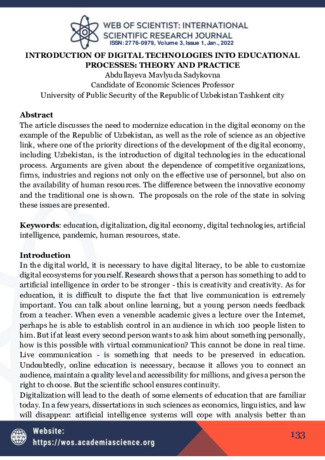
Introduction of digital technologies into educational processes: theory and practice
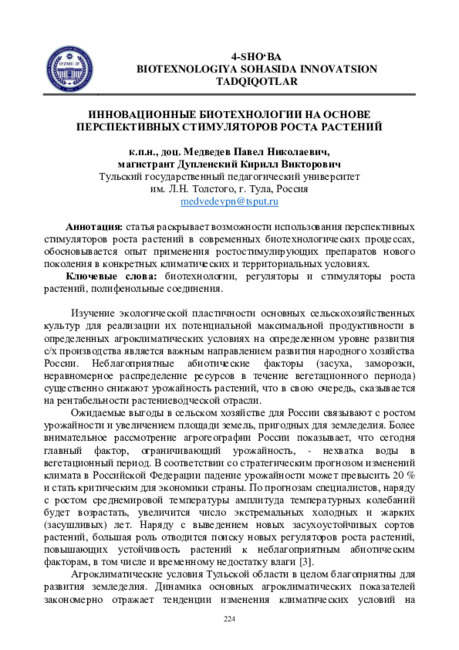
Innovative biotechnologies based on promising plant growth stimulants
статья раскрывает возможности использования перспективных стимуляторов роста растений в современных биотехнологических процессах, обосновывается опыт применения ростостимулирующих препаратов нового поколения в конкретных климатических и территориальных условиях.
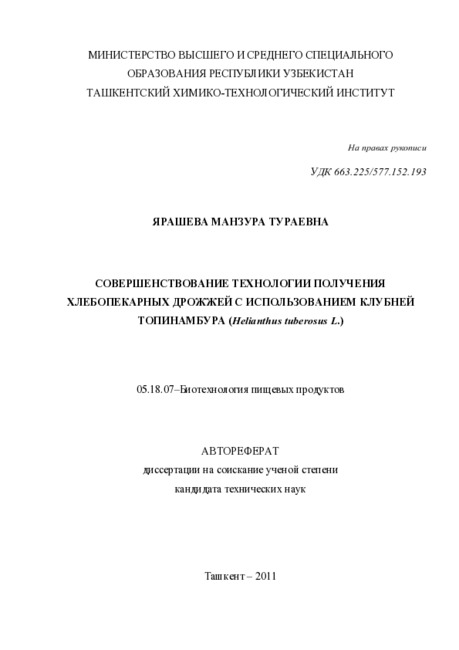
Improving the technologies of baker's yeast the using of topinambour tubers (Helianthus tuberosus L.)
Subjects of research: In this object of study used an extracts from the topinambour tubers, sweet potato and collection culture of baker's yeast of Saccharomyces cerevisiae.
Purpose of work: Screening for available raw materials - substitutes for molasses from non-traditional substrates and the selection of high-level, productive strains for the production of baker's yeast with high enzymatic activity and generative power.
Methods of research: Identification of carbohydrates, protein, inulin, sucrose, phosphorus, starch, thin-layer chromatography, cultivation and isolation of biomass, counting live and dead cells, determination of enzyme activities (inulaza, zymase, maltase, invertase), to determine the quality of bread and statistical analysis the data.
The results obtained and their novelty: The regulation of inducible enzyme activity, patterns of biomass accumulation of yeast, consisting of actively growing cells with components of the nutrient medium containing polifruktozan, obtaining enzymatically active yeast biomass with a wide spectrum of effect. Create of a preparation of high-level, competitive commercial baker's yeast, using as a nutrient substrate tubers of topinambour - a potential substitute for molasses.
Practical value: Developed the method for the preparation of nutrient medium for growing yeast on the basis of inulin containing raw materials, where the main source of carbon used an extract of topinambour, and the expediency of its usage. Based on theoretical principles and experimental data have an integrated part of the culture medium on the basis of inulin of topinambour extract, containing the sources of nitrogen, phosphorus, potassium, magnesium and vitamin complex. The developed technological regulations for the production of baker's yeast in a medium with a topinambour production schedules for manufacturing.
Degree of embed and economic effectively: Cost-effectiveness of the use of yeast grown on inulin containing raw materials amounted to 1870 sum/kg (2009), compressed yeast, 1950 sum/kg for molasses.
Practical value: Developed the method for the preparation of nutrient medium for growing yeast on the basis of inulin containing raw materials, where the main source of carbon used an extract of topinambour, and the expediency of its usage. Based on theoretical principles and experimental data have an integrated part of the culture medium on the basis of inulin of topinambour extract, containing the sources of nitrogen, phosphorus, potassium, magnesium and vitamin complex. The developed technological regulations for the production of baker's yeast in a medium with a topinambour production schedules for manufacturing.
Degree of embed and economic effectively: Cost-effectiveness of the use of yeast grown on inulin containing raw materials amounted to 1870 sum/kg (2009), compressed yeast, 1950 sum/kg for molasses.
Field of application: food industry, commercial yeast used in bread production.
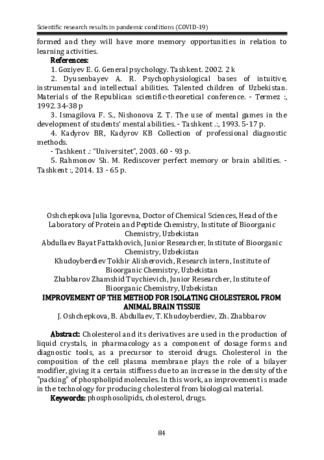
Improvement of the method for isolating cholesterol from animal brain tissue
diagnostic tools, as a precursor to steroid drugs. Cholesterol in the composition of the cell plasma membrane plays the role of a bilayer
modifier, giving it a certain stiffness due to an increase in the density of the "packing" of phospholipid molecules. In this work, an improvement is made in the technology for producing cholesterol from biological material
Green synthesis and research of surfactants and their application areas in various directions
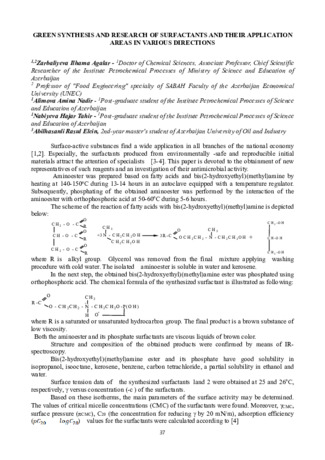
Surface-active substances find a wide application in all branches of the national economy [1,2]. Especially, the surfactants produced from environmentally -safe and reproducible initial materials attract the attention of specialists [3-4]. This paper is devoted to the obtainment of new representatives of such reagents and an investigation of their antimicrobial activity.
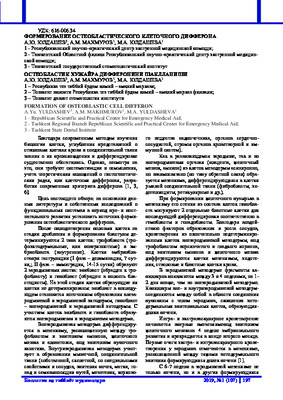
Formation of osteoblastic cell differon
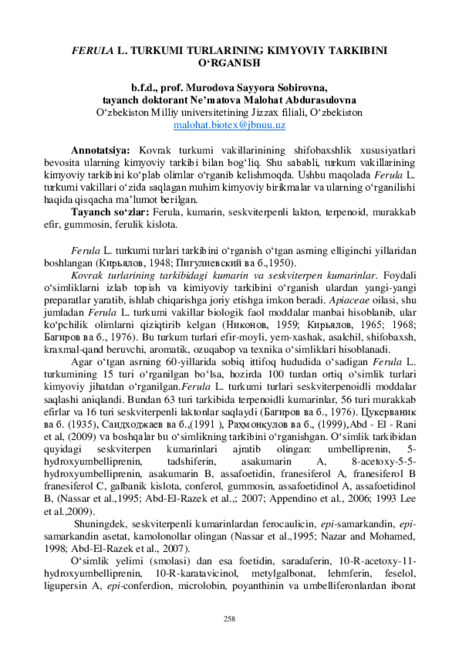
Ferula l. to study the chemical composition of the species
Kovrak turkumi vakillarinining shifobaxshlik xususiyatlari bevosita ularning kimyoviy tarkibi bilan bog‘liq. Shu sababli, turkum vakillarining kimyoviy tarkibini ko‘plab olimlar o‘rganib kelishmoqda. Ushbu maqolada Ferula L. turkumi vakillari o‘zida saqlagan muhim kimyoviy birikmalar va ularning o‘rganilishi haqida qisqacha ma’lumot berilgan.
Energetics of water and aromatics adsorption on the defective and defectless ZSM-5 zeolites
Objects of the inquiry: adsorbents - silicalite, zeolites Na436ZSM-5, Na3 4ZSM-5 and Li436ZSM-5; adsorbates - water, benzene, p-xylcne.
Aim of the inquiry: study of isotherms and basic thermodynamic characteristics of adsorption and mechanism of adsorption of gases and vapors in the defectlcss silicalite and in the defective and defcctless ZSM-5 zeolites with Li * and Na' exchange cations.
Methods of inquiry: calorimetric, adsorption volumetric.
The results achieved and their novelty: For the first time are submitted the precision data of isotherm and complete thermodynamic characteristics (AH, AF and AS) of benzene and p-xylcnc adsorption in the dcfectless silicalite, water and benzene adsorption in dcfectless Li4,3(,ZSM-5 and Na^ZSM-S zeolites and also in defective Na3 4ZSM-5, the stepwise character of changing of the heats of adsorption of the investigated systems with surface filling is revealed. For the first time the molecular mechanism of benzene and p-xylcne adsorption in defectless silicalite, water and benzene in both defective and dcfectless LiZSM-5 and NaZSM-5 zeolites in all area of filling is discovered.
The practical value: The fundamental thermodynamic functions of the investigated systems arc of a practical value for the counting of processes and apparatuses of the sorption techniques. These tabulated data can be used in physical and colloid chemistry master courses as a handbook material.

Energetic of molecular probes adsorption on rutile and illite
The aim of the research work is to study the mechanism of adsorption, thermokinetics, and isotherms of illite and rutile with various molecules using a high-vacuum adsorption calorimeter.
The scientific novelty of dissertational research consists in the following:
the information has been obtained with a high degree of accuracy with respect to the complete thermodynamic descriptions and isotherms of the adsorption of water, carbon monoxide (IV) and benzene in illite, and also water in rutile (AH, AF and AS), and the stepwise determination of the change in adsorption heat studied during the filling of the surface of systems;
the molecular mechanism of water adsorption, carbon monoxide (IV), benzene in illite over the entire area of rutile filling has been analyzed;
the movement of illite along the surface of the basal and lateral has been determined under the effect of polar molecules of water, carbon monoxide (IV) and benzene on the basis of filling the free six- and nine-dimensional (illitic) free cells of Na+ in the form of H2O/Na+, as well as with the formation of the six-dimensional complex QH^/Na* (illite);
the chemical interrelation of the adsorption of water molecules in the rutile has been determined, specifically, when hydrogen is interrelated with the donoracceptor. The water molecules absorption in the rutile in grants [110] has been detected by 50% chemisorption and 50% molecular adsorption.

Ecdysteroids plants of families Caryophyllaceae, Lamiaceae and their modification
The aim of the research work is to isolate individual ecdysteroids from plants of the family Caryophyllaceae and Lamiaceae, obtaining new derivatives by modification, determination of their chemical structure and biological activity.
The scientific novelty of the work is as follows:
34 individual ecdysteroids from new sources were isolated - 14 species of plants of the family Caryophyllaceae and Lamiaceae, identified by LJV, 1R, *H, l3C NMR (DEPT, HETCAR experiments) specters, mass spectrometry;
a scheme for the isolation of ecdysteroids and iridoids from the aerial plant organs of Dianthus angrenicus (family Caryophyllaceae), Eremostachys baissunensis (family Lamiaceae) has been developed and identified their immunomodulating, accelerating the regenerative activity of the tissue;
based on ciasterone, turcesterone, 20-hydroxyecdysone, 2-deoxy-a-ecdysone, 43 new ecdysteroid derivatives were synthesized and on their basis the possibility of creating medicines with hypoglycemic and antifungal activity is shown;
new derivatives of 20-hydroxyecdysone with hypoglycemic activity were synthesized, this was achieved by replacing 2, 3, 20, 22 hydroxy groups with acetyl groups;
in vitro conditions, the activity of Candida antifungals of 2,22-derivatives was proved to replace hydroxyl groups with hexanesulfonic groups.
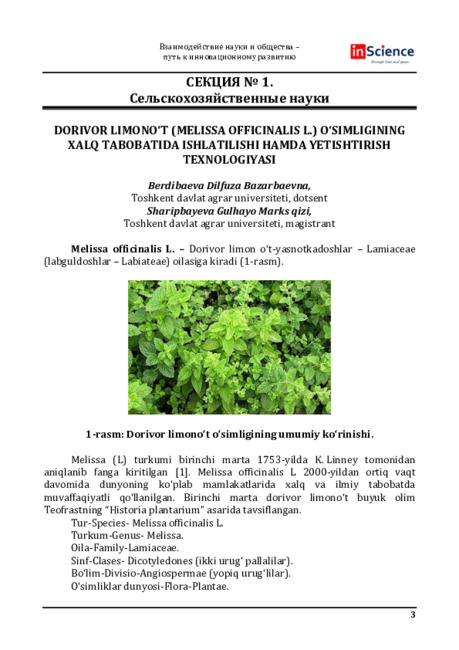
Dorivor limonoʻt (melissa officinalis l.) oʻsimligining xalq tabobatida ishlatilishi hamda yetishtirish texnologiyasi
Melissa (L) turkumi birinchi marta 1753-yilda K. Linney tomonidan aniqlanib fanga kiritilgan [1]. Melissa officinalis L 2000-yildan ortiq vaqt davomida dunyoning koʻplab mamlakatlarida xalq va ilmiy tabobatda muvaffaqiyatli qoʻllanilgan. Birinchi marta dorivor limonoʻt buyuk olim Teofrastning “Historia plantarium” asarida tavsiflangan.

