№ 1 (2025) Молодые ученые
Журнал:
Молодые ученые
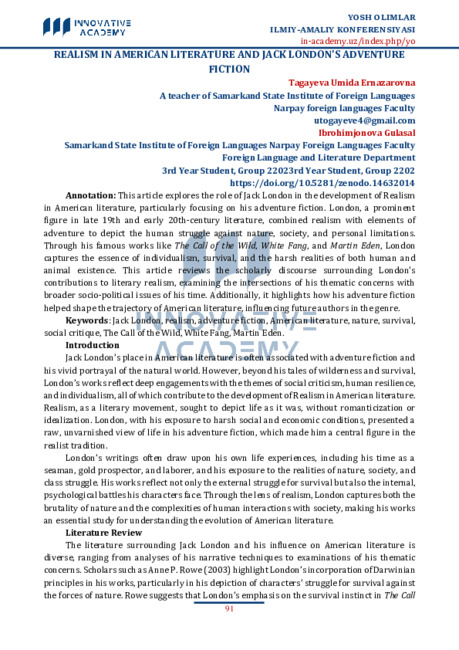
Мы рады сообщить вам, что Центр поддержки исследований «Innovative Academy» организовал Республиканская конференция «Молодые ученые». Это национальная онлайн-конференция с открытым доступом, на которой публикуются обзорные тезисы, относящиеся к различным областям. Главная цель состоит в том, чтобы предложить интеллектуальную платформу для национальных ученых, и она направлена на продвижение междисциплинарных исследований.
Опубликован:
06-01-2025
Поделиться